40 Years of FRITZ!

FRITZ! Turns 40: From a student project to the digital heart of Europe

Forty Years of Innovation:

FRITZ! is a name that has come to stand for fast internet, strong Wi-Fi and a secure home network.

But how did it all start? To mark the company's 40th birthday, FRITZ! is looking back on four decades of innovation and pioneer spirit. For FRITZ! not only shaped a creative, authentic corporate culture, it also profoundly changed the world of network technology. Today, FRITZ! is the central hub for everything digital in many households – for working from home, for gaming, and for relaxed streaming without delays or buffering. 
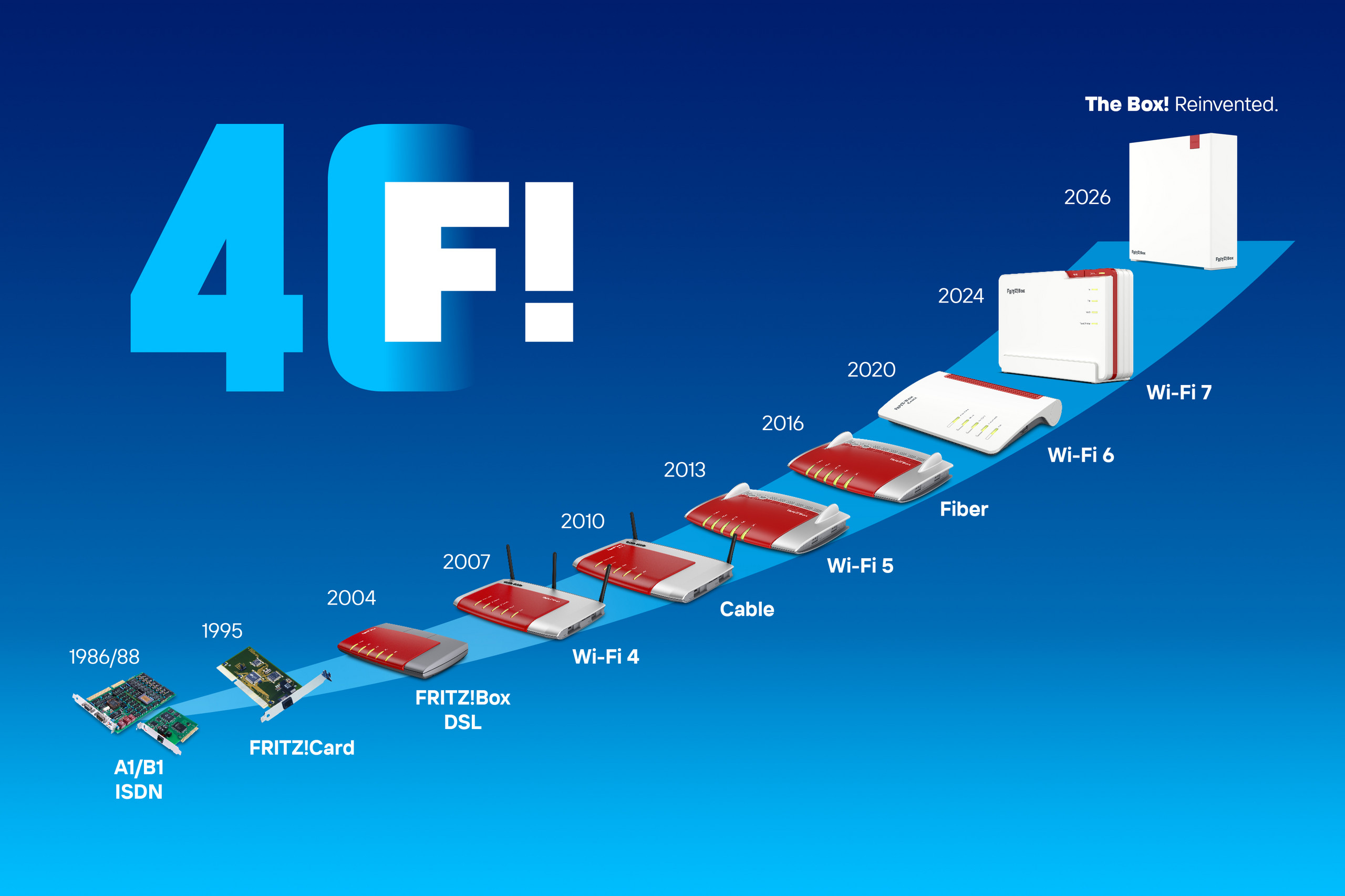
FRITZ! Turns 40: A Success Story over Four Decades

Whenever life becomes more digital, FRITZ! is part of the solution. We've been developing innovative solutions for the networked world since 1986. From the beginnings with screen text, all the way to Wi-Fi 7 and fiber optic speed – here's a look back at our journey. 

The 80s: Pioneer days and looking ahead (1986 – 1990)

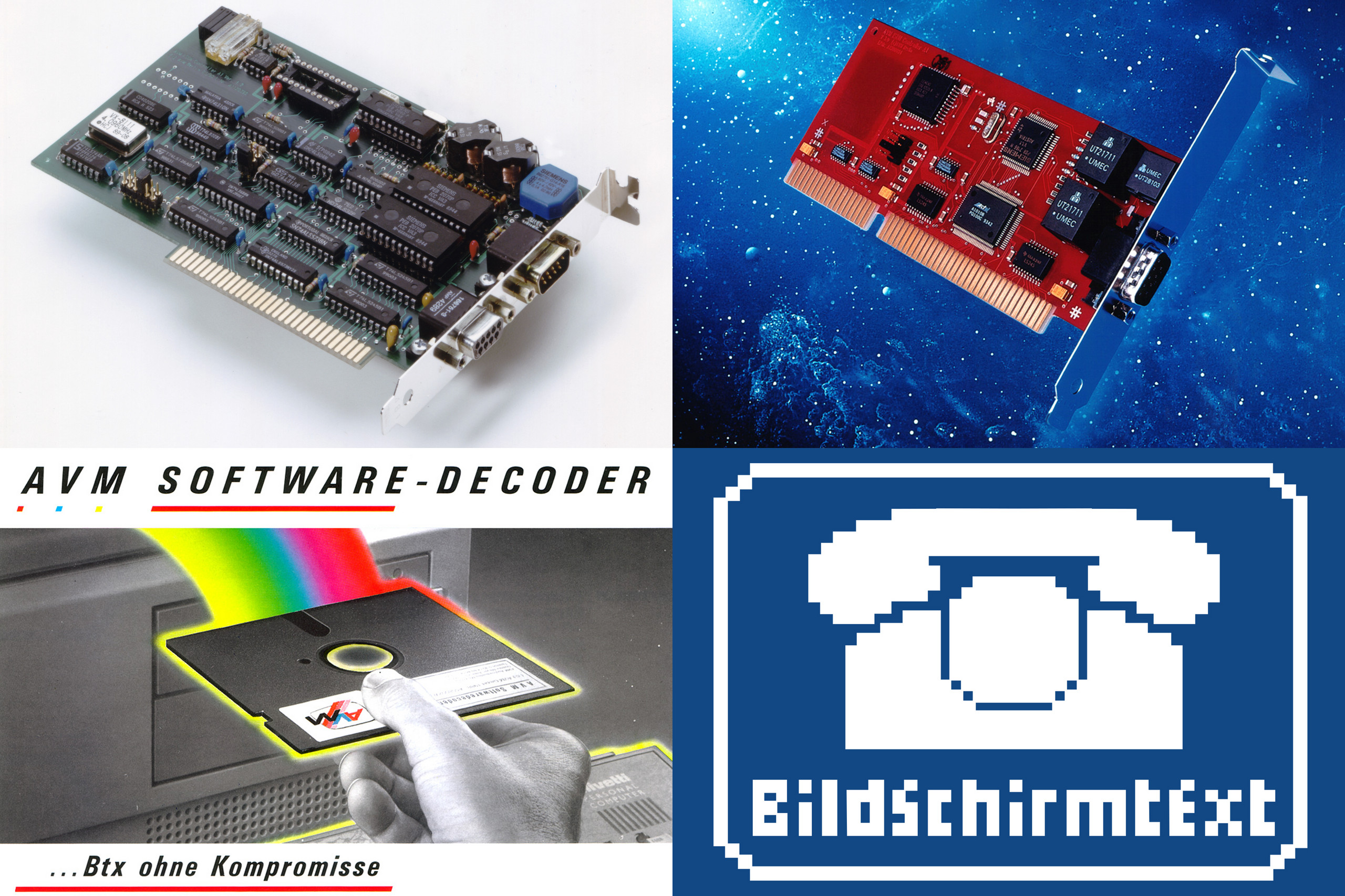
In 1986 ISDN is ready to be launched as a transmission technology in Europe. Four Berlin students develop BTX applications for online banking and comparing prices. FRITZ! (formerly: AVM) is founded. The four tinkerers quickly recognize the market potential of ISDN controllers and begin development. In 1987 the first decoder is developed in-house, laying the foundation for future successes. In 1988 the ISDN controller A1 is launched on the market, paving the way for digital data transmission.  

The 90s: FRITZ! is born and takes root (1991 – 2000)

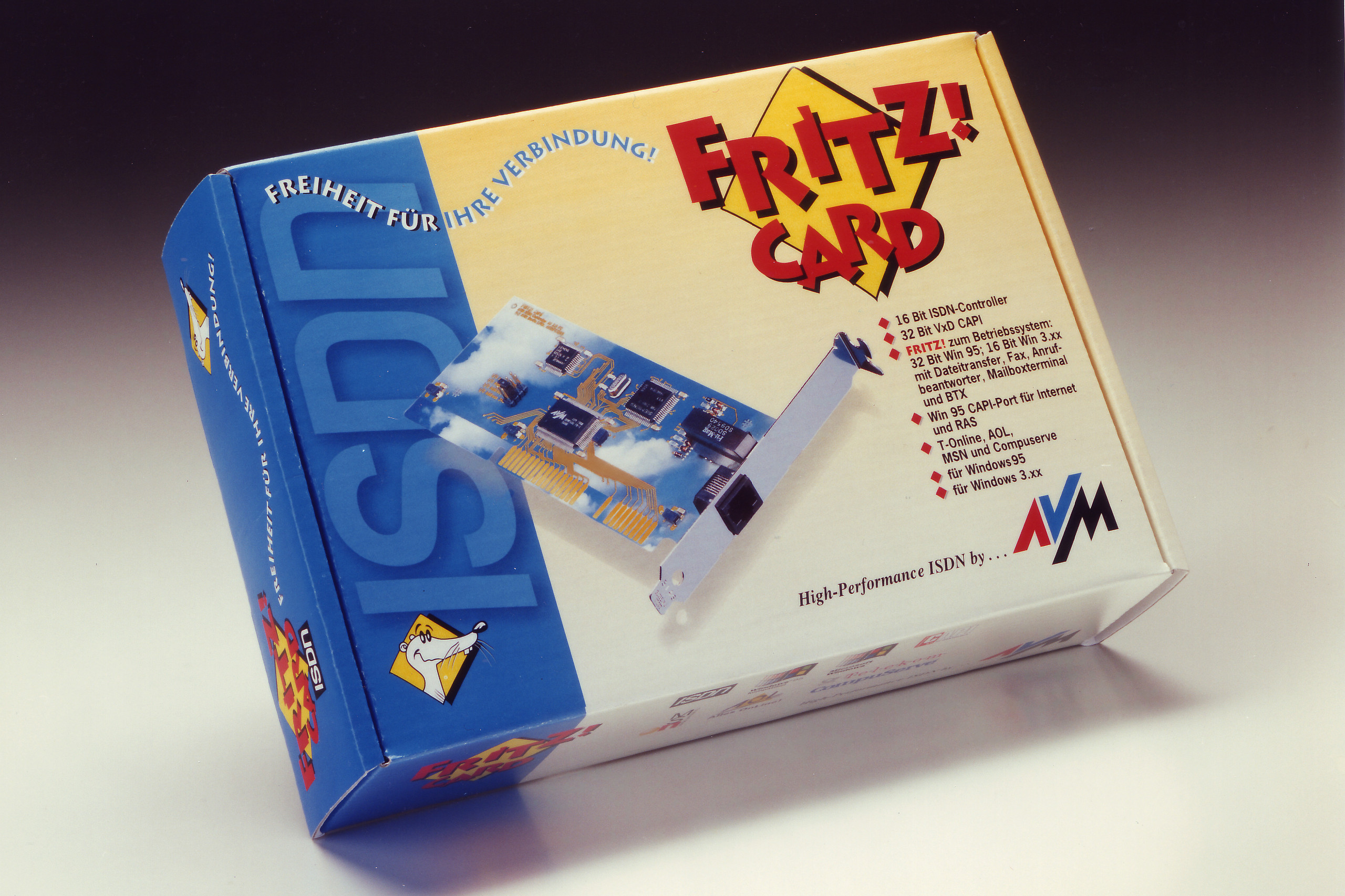
The decade of rising PC use and the internet. FRITZ! becomes established as a leading manufacturer of ISDN cards. 1995 is a pivotal moment: The FRITZ! brand is born – a promise for simple, powerful ISDN solutions. The FRITZ!Card Classic allows simple access to the internet and is the first step into a new era of networking. In 1999, FRITZ! becomes the largest manufacturer of ISDN cards in the world and expands its portfolio to include innovative solutions like KEN, which allows multiple devices to access a single ISDN card. 

The success of the FRITZ!Card leads to growth internationally. From 1995 on, FRITZ! has branches in Austria, the Netherlands, and Switzerland, and later expands to further countries as well. 

The 00s: Broadband, Wi-Fi and the FRITZ!Box conquer the living room (2001 – 2010)

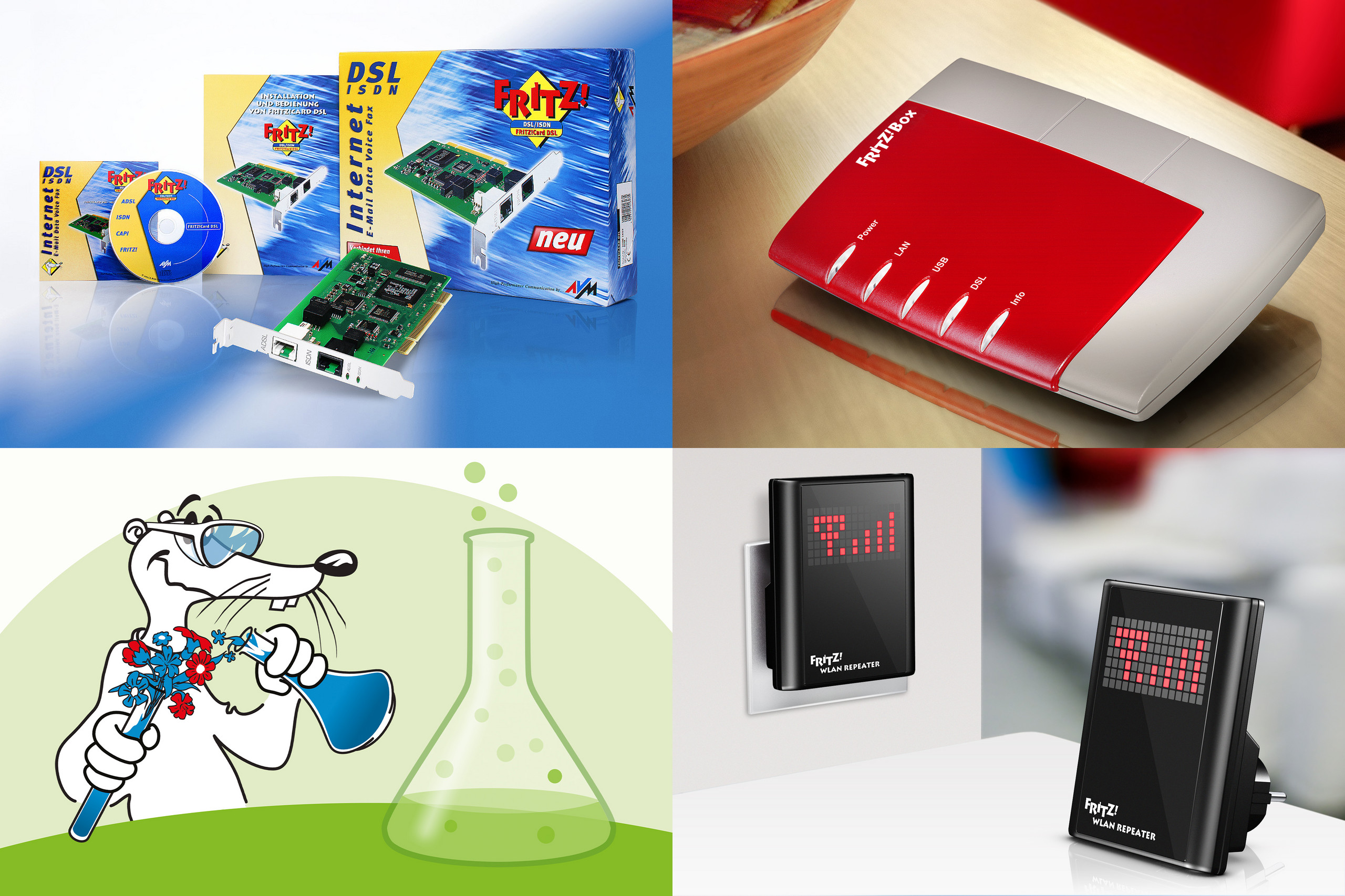
With the rise of DSL, FRITZ! opens a new chapter. In 2000 it launches the FRITZ!Card DSL, which supports both ISDN and DSL. In 2004 the FRITZ!Box is born – the beginning of a success story that continues today. The first FRITZ!Box combines a DSL modem and router and lays the foundation for today's home networking. The FRITZ! Lab is launched in 2006: Enthusiastic users test software updates before their release and provide valuable feedback. Today, tens of thousands of users participate in the Labs. In 2008 the first FRITZ!Repeater appears, laying the foundation for today's Mesh Wi-Fi.  .

The 10s – Smart Home, FRITZ!OS and Fiber Optic

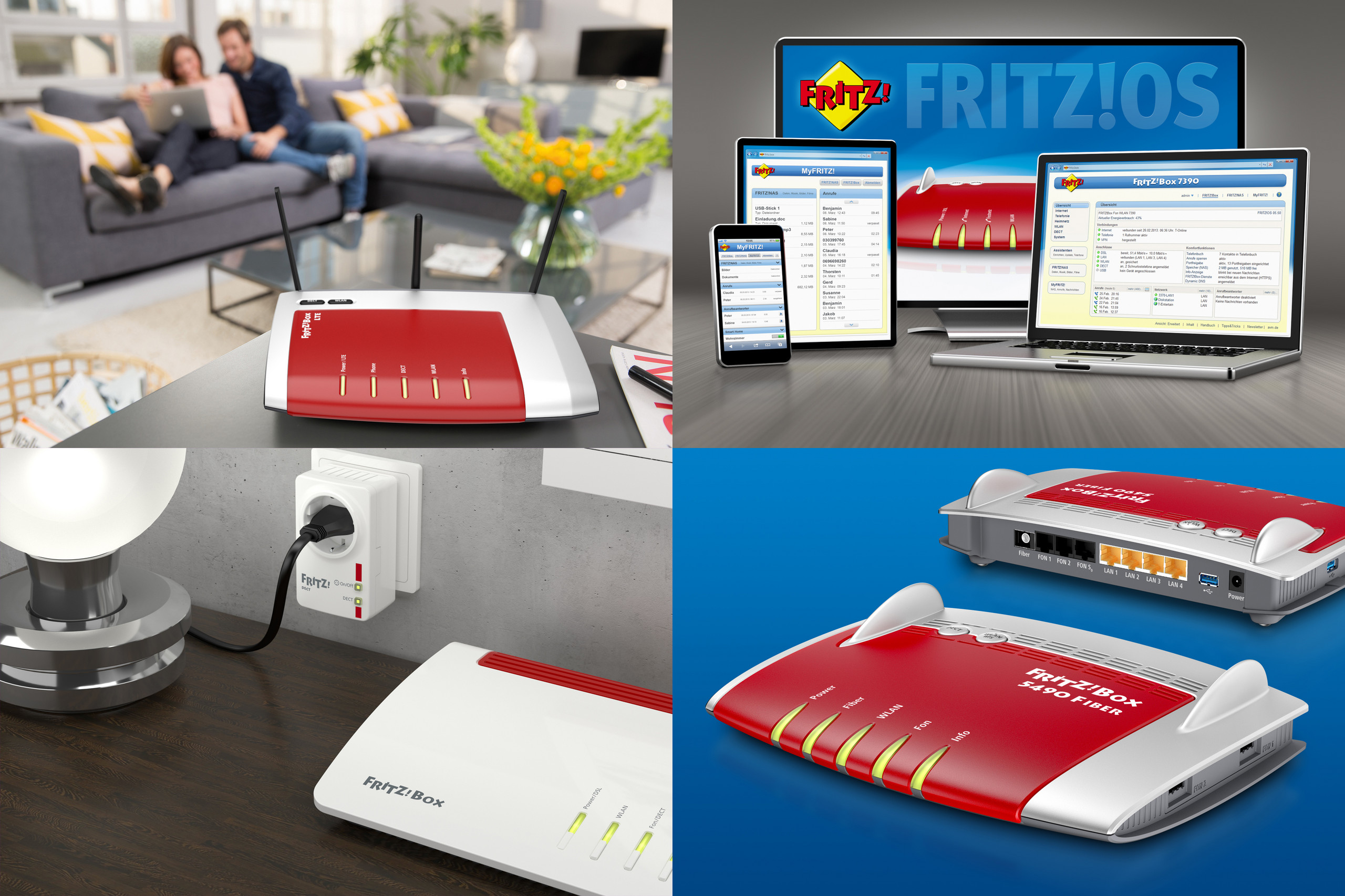
In 2011 FRITZ! spreads it wings to offer the first mobile broadband device, the FRITZ!Box 6840 LTE. In 2012 we build a software basis: FRITZ!OS is the foundation for all future products and allows the integration of smart home solutions such as the FRITZ!DECT 200 smart plug. 

2016 is the start of the fiber optic age at FRITZ! with the introduction of the FRITZ!Box 5490. The product portfolio has been continuously expanding ever since to meet the growing demand for bandwidth and networking ever more devices.
 

The 20s: Wi-Fi 7 for all

In 2021 FRITZ! integrates the Zigbee standard into its portfolio. In 2023 FRITZ! launches the successful FRITZ!Box 5690 Pro for fiber optic or DSL. In 2024 comes a major change: The founders withdraw from the company and hand over the reins to new owners. In parallel, the company opens the FRITZ! Shop in 2025 to offer its products directly to customers. In 2025 FRITZ! was the first manufacturer to offer Wi-Fi 7 for all broadband technologies. With models for XGS-PON, speeds of up to 10 Gbit/s are possible on fiber optic.

One of the secrets of our success – the FRITZ! service

From the very beginning, customer loyalty has been important to FRITZ!. This is why we prioritize having our own comprehensive support – a tradition that began with the FRITZ!Card in the mid-1990s and has grown continuously with the arrival of DSL and the FRITZ!Box in 2004.

Today, our FRITZ! service consists of a strong team of over 160 employees that responds to more than 1,000 customer enquiries every day and includes expert sales consultation. Additionally, our Knowledge Base provides you with a range of helpful instructions and tips for your FRITZ! devices 24/7 – in 6 languages!

One of our success factors: Our Support team’s close collaboration with the FRITZ! Development team. This enables us to detect potential problems early and quickly find solutions. Because it’s important to us that you be optimally connected with FRITZ! at all times.
 

3 continents, 40 countries – FRITZ! has fans all over the world

FRITZ! has fans all over the world, while the focus is primarily on Europe. Our success story began in 1995 with the first steps towards internationalization: namely in Austria and the Netherlands, where it all started with the FRITZ!Card. In the following years, we continued on our steady expansion course: In 1996, we added Belgium, Luxembourg, and the United Kingdom, followed by Switzerland and Greece in 1997. In 1998, we also launched in Italy, followed by Poland in 1999.

In the new millennium, we continued our growth trajectory, including our market launch in Slovenia, Croatia, and Czechia in 2001. In 2007, we expanded further to Australia and in 2008 to Namibia. In 2009, we were delighted to launch in New Zealand, followed by Spain and Slovakia in 2010. FRITZ! is also growing steadily in Africa, where we have been active in countries such as South Africa and Botswana since 2016.

We are proud to provide people around the world with reliable and innovative connectivity through FRITZ!.

Connected responsibility: technology that looks to the future

FRITZ! unites innovative technology with digital and social responsibility. As a European manufacturer, we actively focus on the protection of natural resources, a sustainable corporate culture, and the conscious use of energy. This commitment has been recognised by the renowned EcoVadis rating: Awarded Silver status, FRITZ! is one of the most sustainable companies in the industry.

Quality ‘Made in Europe’ 

Sustainability begins in the development phase: FRITZ! products are designed in Berlin and manufactured in Europe.

Security by design

The highest quality standards have made FRITZ! the number one in security. 

Long-term maintenance

FRITZ! products are continuously being improved. This ensures that the home network is always up to date.

All-in-one

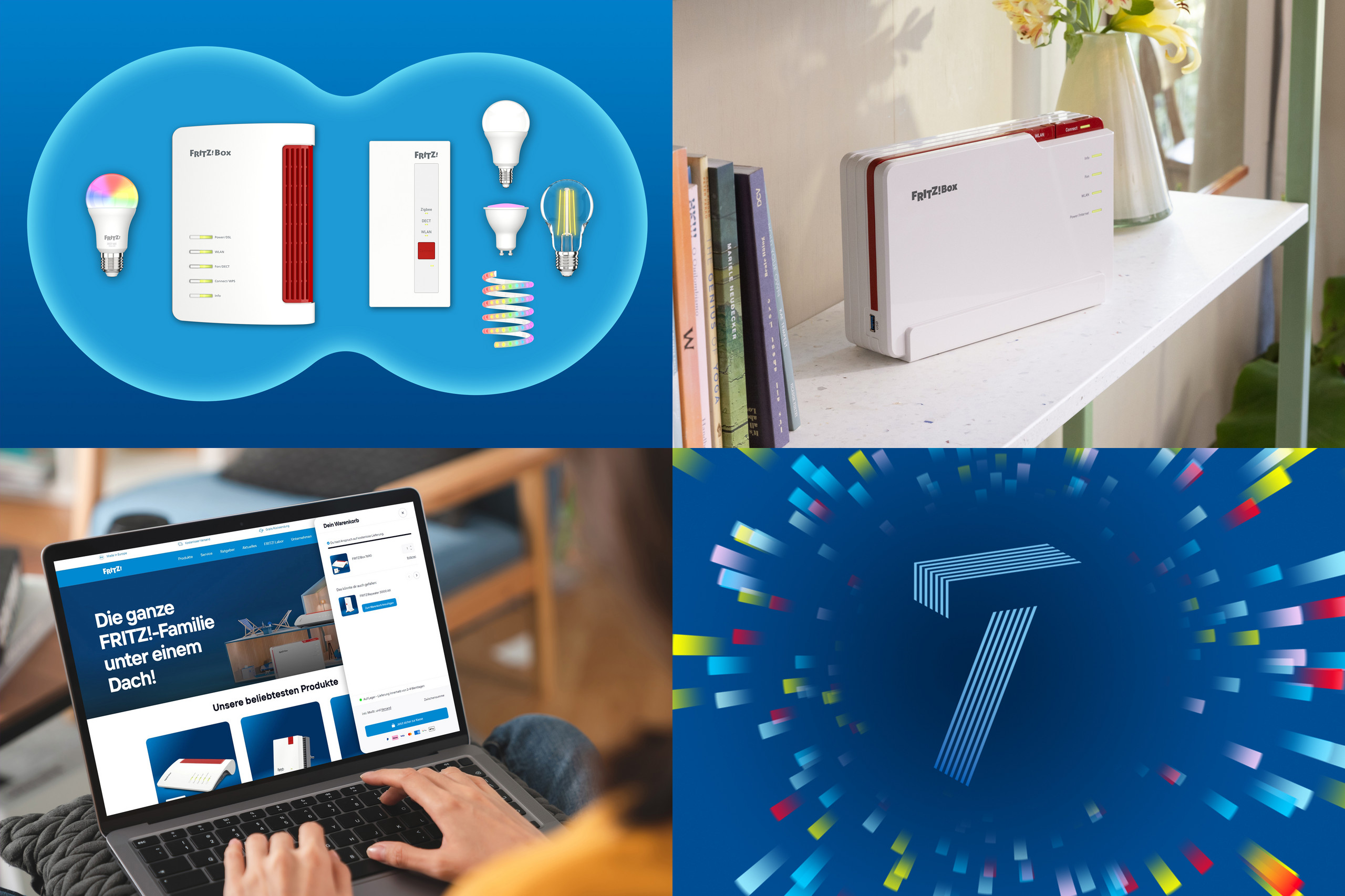
The well-thought-out all-in-one approach combines a FRITZ!Box router, phone system, smart home hub, and media server in one device.

What makes FRITZ! so special?

For 40 years, the company has been developing innovative products for the broadband connection and the digital home. Whether fiber optic, DSL, cable or 5G – FRITZ! products ensure a smooth internet connection and reliably connect devices via powerful Wi-Fi, Mesh, powerline, and LAN. All of which has made FRITZ! one of the leading manufacturers for the home network in Europe. 

How smart? FRITZ! is more than just fast internet and powerful Wi-Fi. Innovative smart home solutions make everyday life intelligent: Smart heating, switching of household devices, or keeping an eye on energy consumption – anything is possible with FRITZ!Smart products via DECT, Zigbee, and Matter. 

What makes it special? The intelligent FRITZ!OS equips FRITZ! products with secure, reliable software – developed in Berlin. All FRITZ!Box models and repeaters are manufactured in Europe. More than 25 million customers all over Europe rely on these secure terminal devices, and over 2,000 independent test reports and awards prove that FRITZ! stands for quality and excellent service. In Germany, FRITZ! is the market leader for home networks – at least every second household surfs with a FRITZ!Box.